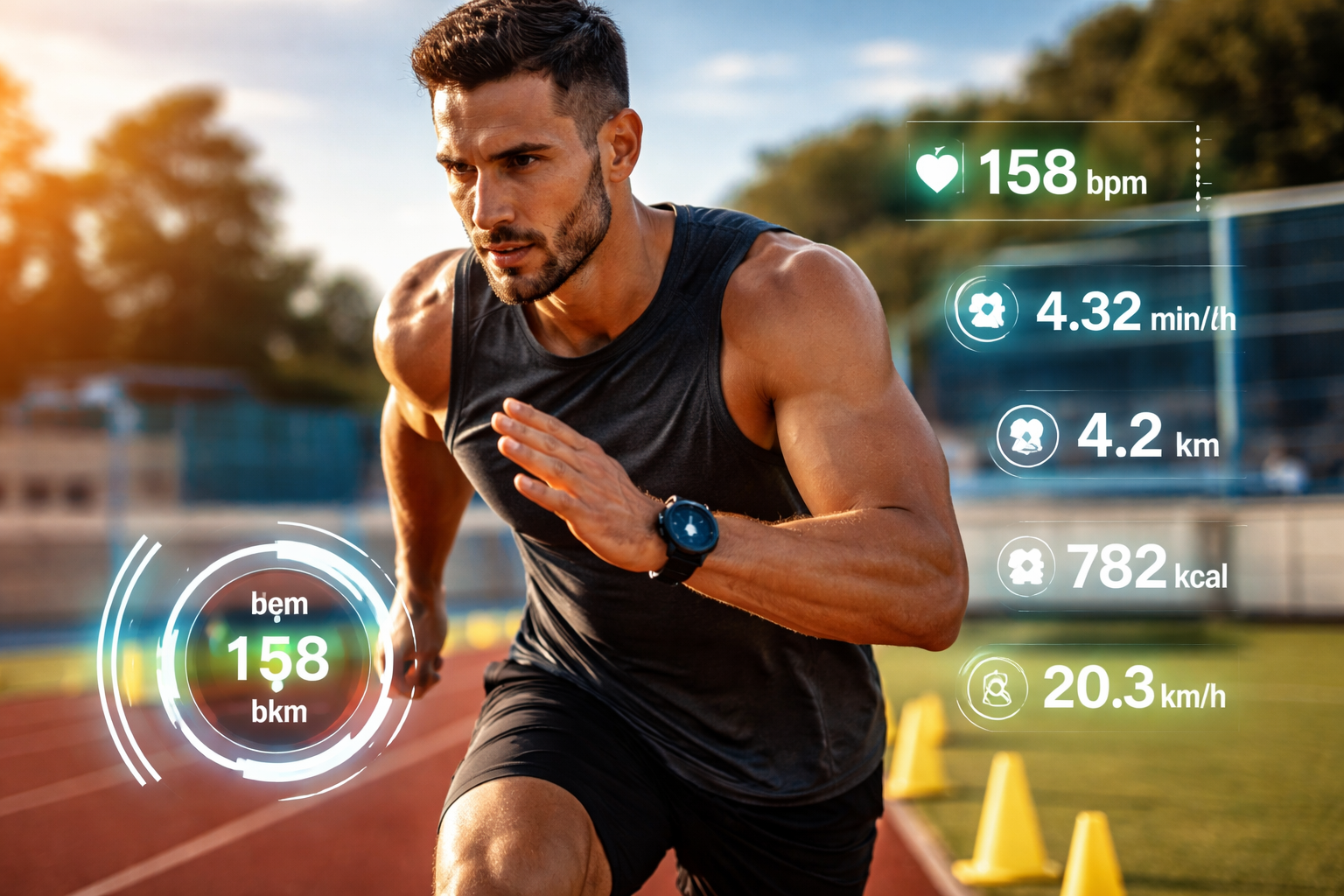
In the current sporting world, information has become an asset as talent. Athletes produce gigantic quantities of performance data day by day, which is captured by GPS trackers, artificial intelligence, and analytics. These consist of heart-rate, speed, state of fatigue, recovery-patterns and even sleep-cycles. The debate on the ownership of this data expands with the rise in significance of this data. Is it the sportsman, the club, the sports association, or the technology suppliers? The future of sport, contracts and rights of players is being defined by this question.
What is Athlete Performance Data?
Data types collected.
The data on athlete performance comprises a broad scope of measures which are gained at the training sessions and during the live matches. This information assists coaches and analysts to know the performance of a player both physically and strategically. Heart rate and oxygen levels are biometric data that displays internal body responses, and speed and positioning data are movement data that shows external performance. The recovery data, such as sleep patterns, and level of fatigue are to make sure that the players are not overtrained. These insights combined form a complete performance profile which is invaluable in enhancing performance and minimizing the risks of injury.
Who is In Control of Athlete Data?
- Most data on performance is gathered and archived by teams and clubs.
- Data sharing and use is regulated by leagues.
- Data processing and analysis is done by technology companies by using software.
- This information is used by broadcasters to create fan experience.
- Athletes do not own the data directly even though they are the ones who create the data.
Teams and Clubs
The main data collectors of athletes are teams and clubs since they offer the infrastructures and tools needed to collect this data. They are daily monitoring player performance by use of wearable devices, GPS trackers and analytics platforms. This will enable them to make sound decisions regarding intensity of training, injury prevention and match preparedness. Nevertheless, they tend to own or have the rights to access the data collected since they manage the systems.
Leagues and Governing Bodies.
Regulatory bodies like the National Basketball Association and Indian Premier League are leagues that have a regulatory role in the manner in which athlete data is managed. They can standardize data collection activities and utilize the information to broadcast, analytics, and to engage fans. Having their participation means uniformity but another point of control on the data produced by players.
Athlete Data Ownership is Important.
- Alters the contract negotiations and player valuation.
- Brings questions of privacy and protection of personal data.
- Facilitates commercialization by support via sponsorships and collaborations.
- Impacts career choices and transfers.
- Establishes the manner in which data is distributed.
Privacy and Consent.
Biometric and health-related data of athletes is sensitive and privacy is a prominent issue. Players might not be able to determine the extent to which their data is accessed and used, because they do not have explicit ownership. This poses dangers, particularly when the information is disseminated without the due authorization. To ensure that the personal and professional interests of athletes are safeguarded, it is necessary to make sure that they participate in the decision-making process related to the manner in which their information is managed.
Commercial Use
In the modern sports world, performance information has great business importance. It is applied in broadcasting, fantasy sports and sponsorship arrangements, which bring income to organizations. Nonetheless, athletes seldom get a direct cut of this revenue, despite the fact that the data is obtained through them. Such an unequal situation is creating discussions on the fair compensation and revenue sharing models.
Legal and Ethical Issues.
Lack of Clear Regulations
The lack of universal laws can be listed among the largest barriers on the way to athlete data ownership. Rules vary among countries and leagues causing confusion and inconsistencies. In the absence of regulations, it will be hard to establish ownership and practice equity in the industry.
Possible Misuse of Data.
Athletes’ data abuse is an increasing issue, particularly concerning sensitive information. As an example, information about injuries or fatigue might be leaked, which would impact the market value of a player or his career prospects. Data protection policies should be strong in order to avoid such risks and make sure that the data is used ethically.
Power Imbalance
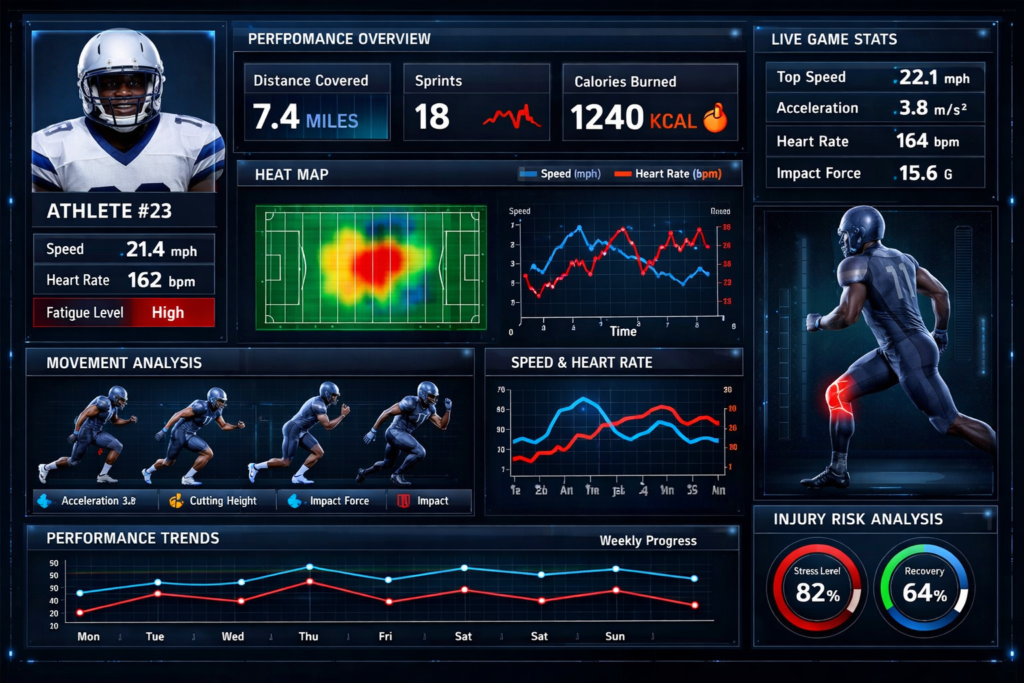
Athletes and organizations have a very unequal power distribution with respect to data ownership. The teams and leagues usually possess greater resources and legal knowledge, which enable them to negotiate the terms of the contracts. Consequently, athletes can unwillingly waive their rights to their own information which is why greater representation and awareness is needed.
Athlete Data Ownership in the Future.
Player-Centric Models
The era of athlete data ownership will probably change to player-focused approaches. Under these systems, an athlete would have complete control of his or her data and the people to whom it can be disclosed. This will be a transparent method that will help in making the players know directly about their performance.
Secure System and blockchain.
New technologies such as blockchain provide safe and transparent methods of controlling the ownership of data. With decentralized systems, athletes are able to store and share their data without the need to use centralized authorities. This will minimize chances of abuse and improve trust between players and organizations.
Legal and Union Support.
Data rights are becoming more common on the agenda of player unions and associations. Their goal is to create equitable contracts that safeguard the interests of athletes and make them have a say in the use of their data. Collective bargaining and legal reforms will have a significant impact on the future landscape.
Conclusion
The ownership of athlete data is turning into one of the most significant concerns in sports nowadays. Although teams, leagues, and technology companies are the present dominant force in controlling most of the data, the trend is gradually changing to the athletes. Players will probably have more control over their own information as awareness increases, and new technologies arise. To create an ethical and sustainable data-driven sports ecosystem, it will be important to ensure fairness, transparency, and privacy.
FAQs.
1. Who is the owner of athlete performance data?
The data is normally controlled by teams and organizations at the moment, yet athletes are the creators of it.
2. Why is athlete data important?
It assists in enhancing performance, injury prevention and is involved in contracts and team strategies.
3. Are athletes able to view their own information?
Yes, however, access can be restricted based on a contract and team policies.
4. Does it share information on athletes with third parties?
In other cases, particularly in technology firms and TV networks, usually anonymized.
5. Will athletes own their data in future?
The urge towards ownership of athletes is eminent with the aid of new technologies and law reforms.
Share this content: