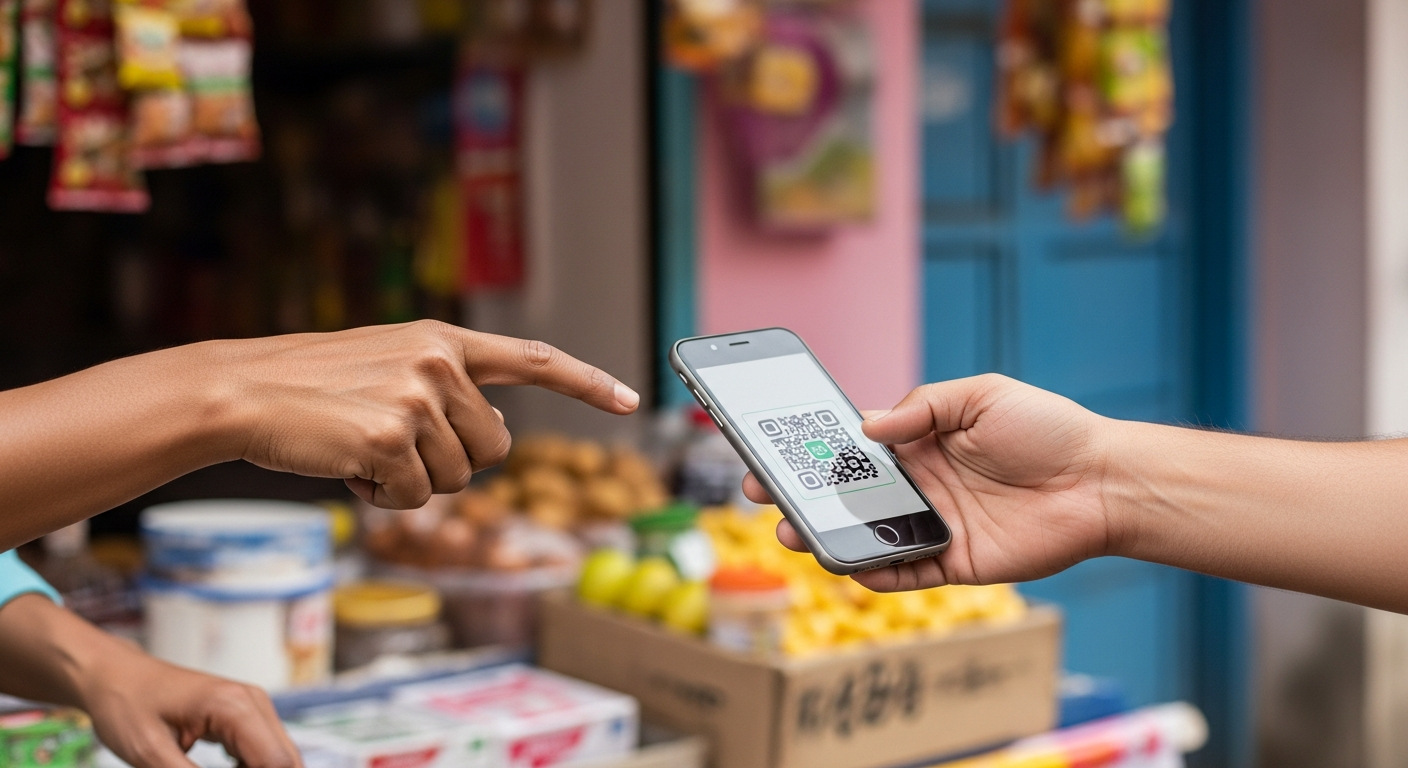
India, 2026 -Digital payments are transforming the world of small businesses in India very fast and bringing efficiency, transparency and new growth opportunities. As more and more platforms such as Unified Payments Interface (UPI), mobile wallets, and contactless payment systems continue to take over, small merchants are shifting their model of traditional cash based systems to a lighter and more digital-first model.
The reason behind this is the presence of robust regulatory policies and the efforts by institutions like the Reserve Bank of India (RBI), as well as government campaigns that are in favor of a cashless economy. This has made even the smallest of the vendors such as a street hawker or a neighborhood kirana store to accept the digital payments greatly increasing their customer base and efficiency of their operations.
The Emergence of Online Payments in India.
India has become one of the most rapidly developing markets of digital payments in the world. Ease and the speed of digital platforms have taken them to be very popular among consumers and merchants.
Key Growth Factors
- Rapid growth in the use of smartphones.
- Low cost and ubiquitous Internet access.
- Government projects such as Digital India.
- More confidence in safe online applications.
- Shifting consumer preference towards cash free transactions.
All these contributed to the rapid growth of digital payments, and it is now a part of the daily business processes.
Small Business Advantages.
Digital payments have a number of benefits that have a direct influence on the growth and sustainability of small businesses.
More Rapid Transactions and Cash flows.
Digital payment is done immediately as opposed to the conventional way of making payments. This enables the small business to have a stable cash flow and control the everyday expenditure in a better way.
Enhanced Customer Convenience.
The modern-day customers want fast and convenient payment methods. With the option of digital payments, businesses have access to more people and can increase customer satisfaction.
Financial Records Transparency.
When the transactions are done digitally, a record of sales is automatically generated and this assists in keeping a proper record of finances. This openness is helpful in filing taxes and planning of business.
Easy Access to Credit
Financial institutions can use transaction history produced by digital payments to determine creditworthiness, which helps small businesses to obtain loans and funding easier.
Reduced Dependency on Cash
Less cash means less risk of theft, loss and mistakes in cash management, so running business will be safer and more efficient.
Rural and Micro Businesses Empowerment.
The digital payments are not just affecting the urban areas but also the rural and semi-urban areas are also experiencing it greatly.
Financial Inclusion
It is now possible to allow small vendors and micro-entrepreneurs who in the past had a small access to bank services to join the digital economy with very little infrastructure in place.
Development of Local Entrepreneurs.
Small businesses are able to increase their business beyond their local customers by using digital payment systems which will help them to reach new markets.
Support Women entrepreneurs.
This is because digital tools are enabling women-led businesses to gain financial freedom and reach broader customer segments.
Challenges in Adoption
Although the advantages are quite high, there exist certain challenges, which have to be resolved to be applied on the broader level.
Lack of Digital Literacy
Some of the small business owners do not know how to make good use of digital payment systems and this may slow down the process.
Cybersecurity Risks
Fraud and data security vulnerabilities present significant challenges. However, the continuous improvement of encryption and authentication protocols fosters the cultivation of trust.
Connectivity Issues
In certain rural areas, inadequate internet connectivity can impede the execution of digital transactions and the effective utilization of digital technologies.
Role of Fintech Innovation
The proliferation of fintech companies is proving crucial in simplifying digital payment processes for small business owners. Businesses are experiencing increased operational ease as novel technologies, including AI-driven analytics, voice-activated payments, and integrated accounting systems, become more accessible.
Contemporary payment applications offer opportunities for improved decision-making and enhanced efficiency through features such as transaction insights, expense tracking, and automated billing.
Future Outlook

The digital payment market in India has a high potential. As the government continues to support the use of digital payments, they will become even more widespread in the future with the development of the technology.
The ability to enable biometric authentication, offline payments, and the implementation of digital payment systems with e-commerce software will help improve the convenience and availability of digital payment systems, further.
Those small businesses that adapt to such innovations will be in a better place to cope with the increasingly digital economy.
Conclusion
Small businesses in India are changing with digital payments which are making transactions safer, faster and more transparent. Through them, entrepreneurs are facilitating simplification of operations, enhancement of customer experiences and also tapping into new financial opportunities.
With the country still on its path to becoming a digital economy, small businesses that embrace the use of digital payment systems will have a competitive advantage and will record long-term sustainable growth.
FAQs
1. What is UPI and how do they work?
Unified Payments Interface is a real-time payment system, which enables users to transfer money within bank accounts in real-time using mobile devices through the exchange of money.
2. Are e-payments secure to small businesses?
Yes, the majority of digital payment systems are characterized by the high level of safety, such as encryption and multi-factor authentication.
3. What are the benefits of using digital payment to grow a business?
They make work more efficient, bring more customers on board and accessibility to financial services such as loans and credit.
4. What are the key issues in taking up digital payments?
Some of the challenges include cybersecurity, network connectivity and digital illiteracy.
5. What will become of digital payments in India?
Online transactions are likely to be the most commonly used transaction method and this is aided by innovation and the government.
Share this content: