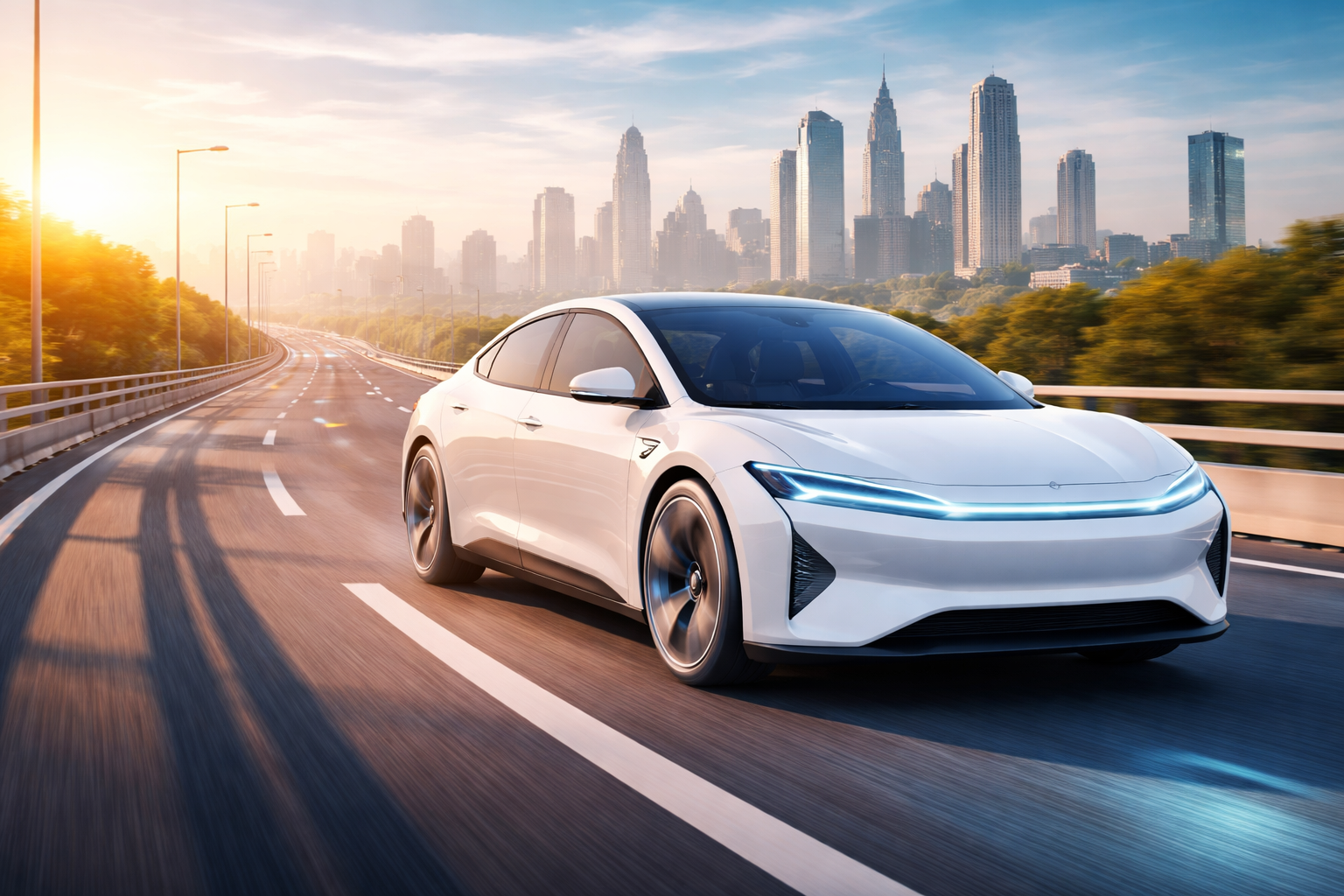
India is rapidly entering a new phase of transportation, the focus of which is put on electric vehicles (EVs). The old-fashioned petrol- and diesel-powered vehicles that have been dominating the Indian roads over the decades are gradually being overtaken by cleaner, smarter, and more efficient electric cars. This is not merely a trend, but it is a significant transformation that is brought about due to economic, environmental, and technological factors.
This can be explained simply as the EV revolution in India, which is the change in fuel-powered vehicles to battery-powered vehicles. These vehicles operate using electricity, which is stored in a rechargeable battery, and they do not emit toxic exhaust gases. They, therefore, become a cleaner and greener alternative for the future.
Getting to Know the EV Revolution in Easy Terms.
Electric cars are aimed at making driving easy and less polluting. They do not need internal combustion engines, as was the case with the traditional cars. They instead apply the use of electric motors, which are more effective and less maintenance.
The concept of the EV revolution is to decrease the reliance on fossil fuels, decrease the level of pollution, and develop a more sustainable transportation system. EVs can offer a viable solution to both air pollution and fuel importation problems in India as the country continues to confront rising air pollution and increased fuel importation prices.
Why EVs are Finding Quick Growth in India.
The rising petrol and diesel expenses are one of the largest causes of the EVs’ increase. Fuel costs have become a big issue for the daily commuters. EVs, however, are much cheaper in terms of their running costs and so can be considered for long-term use.
The other significant element is environmental awareness. Such cities as Delhi and Mumbai have been plagued with air quality issues, and electric cars can reduce the pollution rate as they do not create tailpipe emissions.
The government too is making a great contribution towards the adoption of EVs. EVs are gaining accessibility to the population through subsidies, tax benefits, and other measures such as the FAME scheme. Moreover, EVs are becoming more realistic through battery development, which is increasing their range and, consequently, boosting their charge-up speed.
Factors Making EV Adoption Hard.
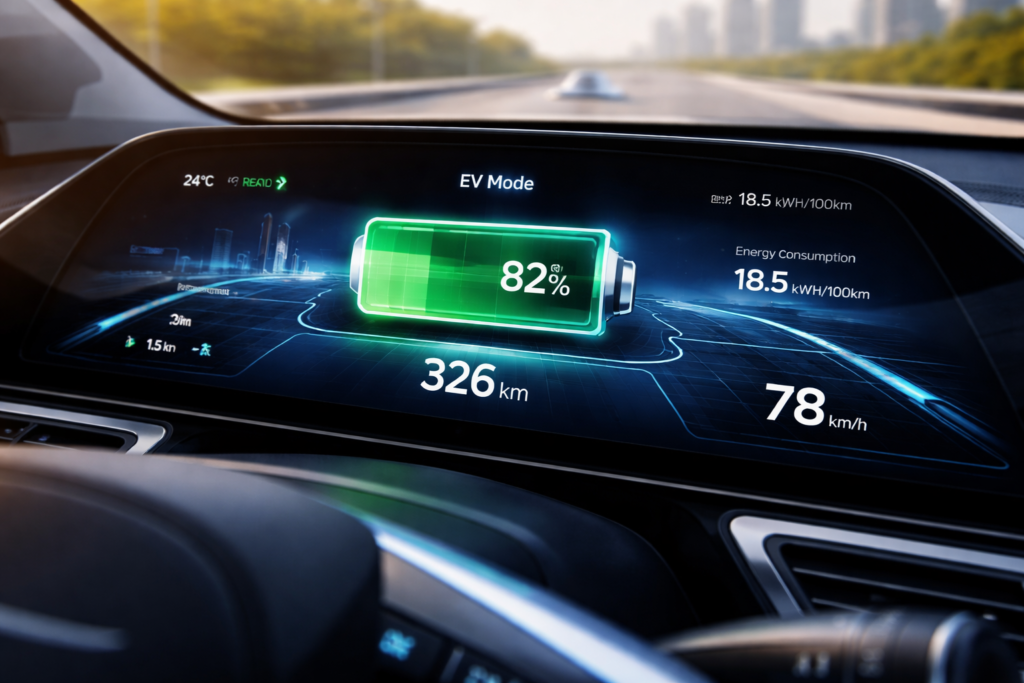
EVs, despite their benefits, also have some problems in India. The problem of the absence of sufficient charging stations, particularly in non-metropolitan areas, is one of the primary ones. The infrastructure is currently expanding, but it requires a big increase.
The other issue is that electric vehicles are relatively expensive to procure. They are less expensive to maintain and operate, but investment costs might act as an obstacle to many buyers.
Also, it is possible to have a psychological aspect in the form of range anxiety, which is characterized by individuals having fear of the battery running out when they are about to get to their destination. This is, however, being solved by newer EV models that have longer driving ranges.
Categories of Electric Vehicles in India.
Electric cars in India are available in various shapes to accommodate the varied requirements. Fully electric cars are powered by batteries and do not generate emissions, so they are perfect in urban areas. Hybrid cars include an electric motor and a fuel engine, which are more fuel-efficient. Plug-in hybrid cars offer a greater selection of options since they can also be charged outside and can also use fuel when in need.
What the Future Looks Like by 2030
EVs have a promising and transformative future in India. In 2030, the price of electric vehicles is projected to be lower with a decrease in the battery prices and an increase in production. The infrastructure will be highly spread, with fast chargers on highways and at home.
There will be further development in battery technology, which will enable the car to travel more with just one charge and will save a lot of time when it comes to charging the car. India also aims at local production of EV parts that will contribute to the lower costs and the establishment of jobs.
The consumer attitude is also likely to be shifted, and more individuals will switch to EVs not only because of financial benefits but also because of sustainable development.
Influence on the Automobile Industry.
The Indian automobile industry is being transformed greatly by the EV revolution. The conventional automakers are putting a huge investment into electric or EV technology and introducing new EV models. Simultaneously, novel startups that are dedicated to electric mobility completely are joining the market.
This change is also transforming the employment sector, whereby there is a growing demand in job-related skills touching on battery technology, software development, and electric systems. The supply chain is also changing focus and adopting batteries and electronic systems instead of engine components.
Consumers’ Preparation of the EV Future.
Electric cars are also a serious consideration to consumers who are planning to purchase a car in the near future. You need to do research on models available, learn about the charging infrastructure in your neighborhood, and take into consideration the total cost of ownership rather than simply the purchase price.
With more awareness and better infrastructure access, switching to EVs will become more convenient and easy for the Indian consumers.
Conclusion.
The future of India’s car will obviously be shifting to electric mobility. The EV revolution is not only about the use of new technology but also about building a cleaner, more efficient, and sustainable future. Electric cars will become the new favorite among millions of Indians in the next few years with the ever-increasing infrastructure, technology, and affordability.
Frequently Asked Questions: Electric Vehicles in India.
1. Are electric vehicles more or less expensive than petrol vehicles?
Electric vehicles can be too expensive at first, but they are less expensive to operate and service in the long term.
2. What is the charging time of an EV?
The duration to charge depends on the kind of charger, and it could be as little as half an hour up to a number of hours.
3. Is it safe to buy an EV in 2026?
Yes, EV technology has been enhanced so much that it is reliable and offers security when using it on a daily basis.
4. How long does an EV have an average range?
The current EVs are able to cover a distance of between 250 and 500 kilometers on a single charge.
5. Will there be an out-and-out phase-out of petrol cars?
The disappearance of petrol cars will not occur overnight, but EVs will take over in the future.
Share this content: